Head of Product Design & UX · USA TODAY Co.
Thirty years in, and I’m more optimistic than ever.
The job looks nothing like it did when I started: more meetings than mockups most weeks. But the instinct to sketch a better answer hasn’t gone anywhere; these days it just as often shows up as a prompt instead of a margin doodle.
I lead product design and UX for a news organization with a reach most people don’t clock until you say the number out loud: over a billion monthly page views across the network I help steward.
What I believe
At scale, design stops being a craft you practice alone and becomes a discipline you teach and defend. The question I keep coming back to is simple to ask and hard to answer: what does it actually take for someone to understand what we’re asking of them?
I built a framework around that answer; I call it the cost of comprehension.
The Cost of Comprehension →Willingness isn’t free. It’s earned, moment by moment. People don’t owe us their attention. We have to prove we deserve it.
How I lead
I didn’t set out to lead. I love the craft, so when this role came along, my first instinct was caution, not ambition. I started by stabilizing the team and keeping what already worked.
That restraint paid off. Then, as my confidence grew, so did my willingness to push. We worked to increase velocity, ambition, and accountability. We grew workflow efficiencies and systems thinking which helps with rapid prototyping. We got nimble with quick, directional user testing instead of broad or self-insistent test phases; tighter answers in fewer cycles. A good chunk of the job now is architecture that never shows up in a screenshot: building the shared language across brand, product, and engineering that lets three groups with three different incentives move as one.
The Mindset Shift →A design system doesn’t create consistency. Consistency happens when people agree to stop making exceptions.
I’ve been lucky to learn from some genuinely sharp product and design leaders over the years, and I think of my own leadership as paying that forward: building my team’s fluency with the business itself, insisting they ask hard questions, and helping them find real ownership in the work. That same instinct is why I’m excited about AI as a working tool rather than worried about it as a threat: it’s one more thing worth getting good at together.
None of this makes for tidy case studies; good leadership rarely does. What I can point to instead is a set of fundamentals I trust, a habit of asking the bigger question when the room wants the easy one, and enough resilience earned over thirty years to meet whatever this field turns into next with curiosity instead of dread.
Recent explorations
A few early concepts from recent work built to inspire, not to ship.
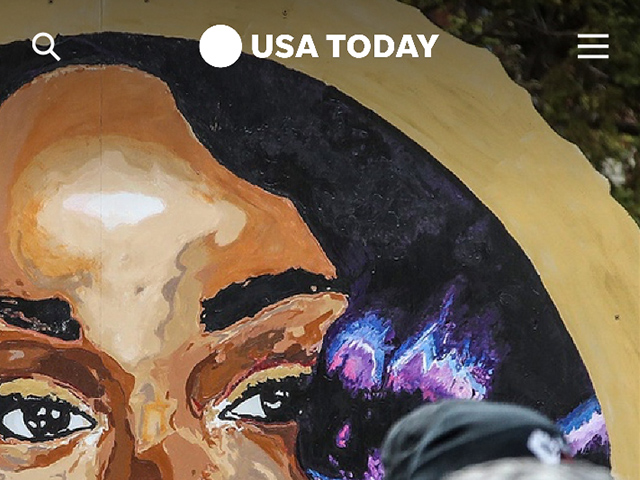
Personalized news feed
Exploring what a feed feels like when it’s tuned to a person, not a section.
View prototype →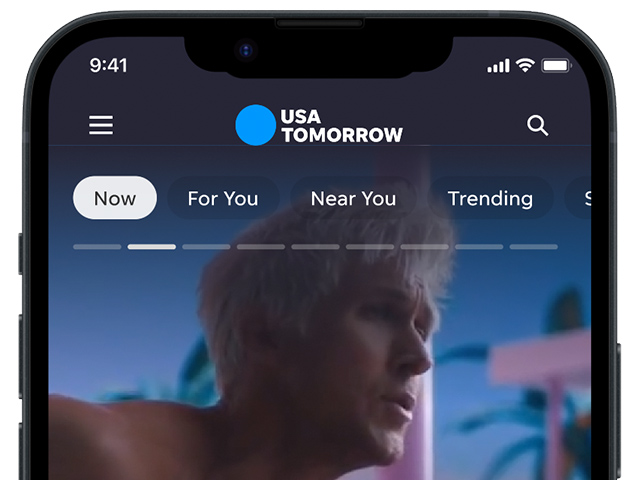
NextGen news cards
Rethinking the humble story card for a faster, more visual scroll.
View prototype →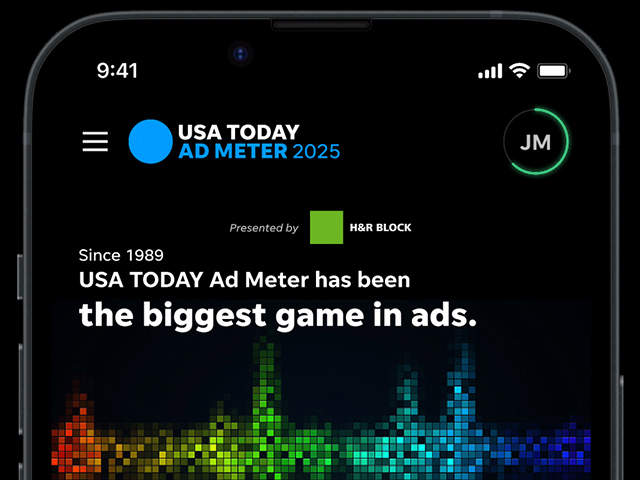
Ad Meter, first draft
An early pass at modernizing a 25-year-old franchise for a new audience.
View prototype →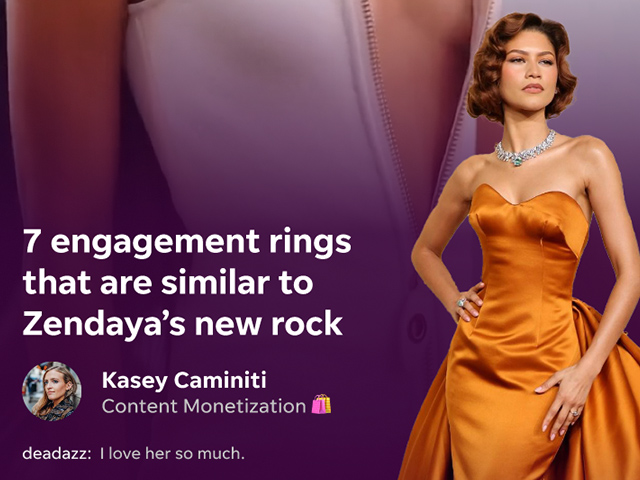
Entertainment vertical
A brand extension concept for reaching audiences beyond hard news.
View prototype →